

Repairs overseas
Equipment or other goods sent to an overseas repairer and returned to GB. Explain the fault, the proposed work and whether it is chargeable or covered by a guarantee.
Overseas processing and repairs
Sending goods from England, Scotland or Wales overseas for repair, assembly or processing before bringing them back? Simple Duty helps you plan the customs arrangements for both journeys.
Contact us before dispatch. Tell us what is leaving GB, the work planned abroad and how the goods or processed products will return.
When to consider the procedure
Outward processing can reduce the Customs Duty due when eligible goods exported for processing or repair are re-imported. The goods, authorisation and evidence must meet the relevant conditions. Import VAT needs a separate assessment.
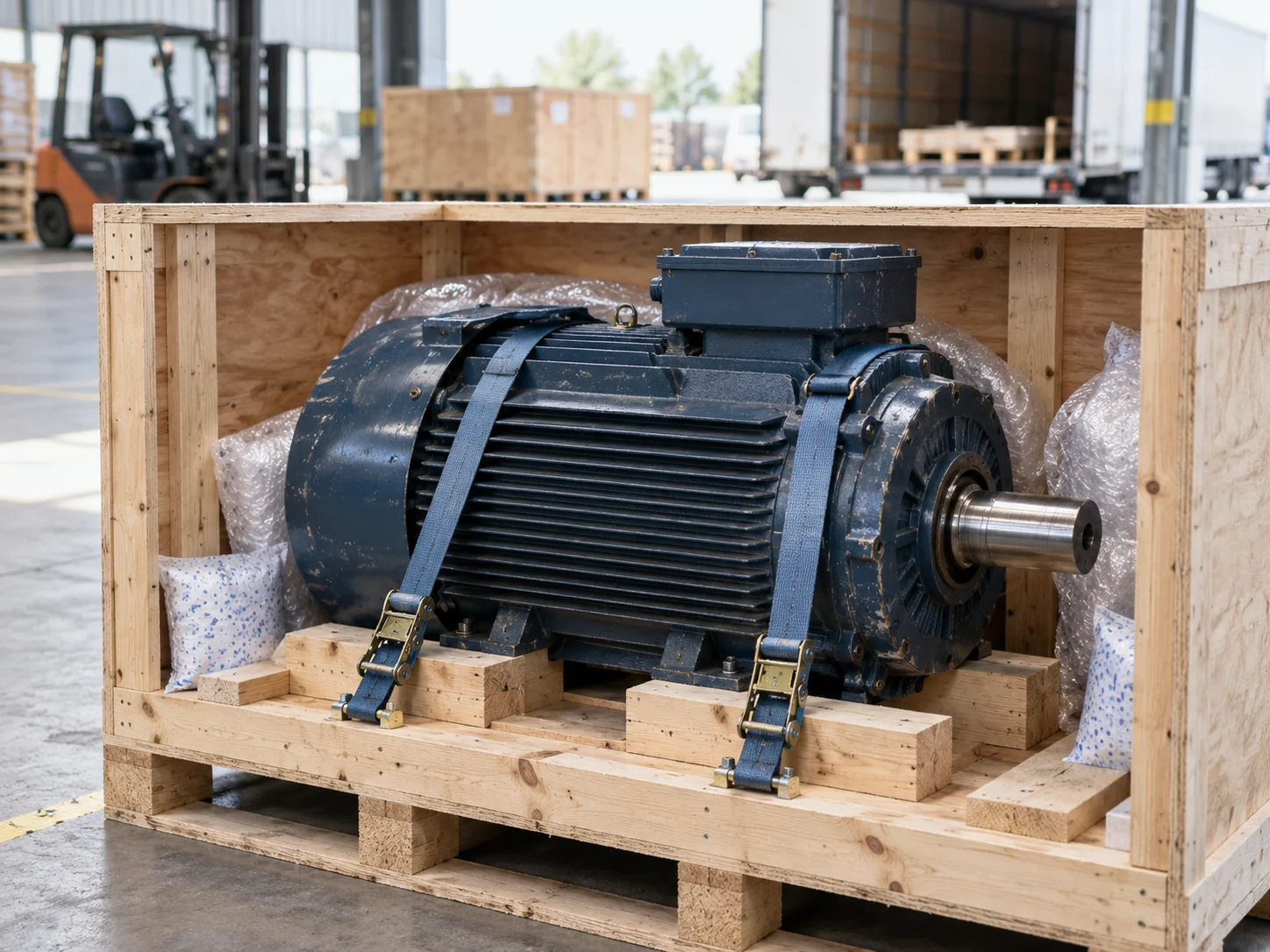
Equipment or other goods sent to an overseas repairer and returned to GB. Explain the fault, the proposed work and whether it is chargeable or covered by a guarantee.
Goods sent abroad to be made into, or incorporated into, processed products. Describe the inputs, expected outputs and how the returning products can be linked to the exported goods.
If a different item will return, tell us before export. Standard exchange and replacement movements have specific conditions and must be agreed as part of the customs plan.
Before dispatch
Authorisation first
Regular use generally requires full authorisation. Authorisation by declaration is available for eligible occasional repair movements within its limits; it is not a general shortcut for manufacturing abroad.
Confirm the proposed holder, the goods and whether any standard exchange or replacement arrangement is involved. Retrospective authorisation is exceptional and cannot be assumed.
We review the documents and agree our role before proceeding. HMRC decides authorisation applications.
Read about GB EORIFour practical steps
An enquiry starts the review. It does not authorise the procedure or claim relief on a customs declaration.
Agree what is leaving, the overseas operation, the expected return and the information needed to assess the arrangements.
Establish the approval route and correct export declaration treatment before dispatch. Keep references and identification evidence for the return.
Retain invoices, repair reports, production records and transport documents. Raise changes to the goods, costs or return plan before re-import.
Present the export and processing evidence, make the required import declaration and establish any duty and VAT due. Follow the authorisation’s time limits and record-keeping conditions.
Duty and import VAT
The result depends on the operation and evidence. Outward processing does not automatically make the return duty-free or VAT-free.
The calculation must follow the applicable outward processing rules. Processing or repair charges and relevant transport costs need to be identified; do not assume that declaring the original goods value as zero is sufficient.
Customs Duty relief may be available for qualifying free repairs or replacements under a guarantee. Keep the guarantee terms, evidence that the work is free and the link to the original export.
VAT treatment is separate from Customs Duty relief. A free repair or nil duty does not itself establish that no VAT is due. Replacement goods may have a different VAT treatment from the return of the repaired item.
Identification and records
The return paperwork should explain what was exported, what happened abroad and what is now coming back. A supplier invoice marked “repair” alone may not provide the full customs evidence.
Agree identification methods and retain export references from the start. Keep records of any change in quantities, yield, product description or serial numbers, especially if a replacement is proposed.
Tell us early if the goods are returning in parts, later than planned or to a different re-importer so the required arrangements can be assessed.
The right direction of movement
Goods coming into GB for work before leaving again may call for inward processing. Goods sent abroad only for temporary use, or returned without processing, need a different assessment.
UK outward processing does not complete the overseas country’s import, processing or export formalities. Agree those arrangements with the overseas party.
This page concerns movements from and back into Great Britain. Northern Ireland, controlled goods and more complex processing arrangements need separate review.
Inward Processing in GBCommon questions
Start with the goods, work and return arrangements.
Yes. The approval route, declaration and identification evidence should be arranged before the goods leave. Send existing documents if export has already taken place; retrospective approval is not automatic.
No. Customs Duty relief depends on the guarantee and procedural conditions. Import VAT must also be considered separately. Send the guarantee terms and repair or replacement details.
Specific arrangements may be available, but a standard exchange is not the same as an ordinary repair and return. Tell us before arranging the shipment so the conditions and authorisation can be checked.
Use the enquiry form. Write “Outward Processing” and include the goods, work planned abroad, dates, guarantee details if relevant and expected return to GB.
Official guidance
Information checked on 19 October 2026. Read GOV.UK guidance on applying for outward processing, using the procedure and re-importing, authorisation types and HMRC rules and processes.
Plan both journeys
Use the enquiry form and mention Outward Processing. Tell us what is leaving GB, where the work will take place and how the goods will return.

The Simple Duty team has received your enquiry. We will review the details and reply by email.
Please check your inbox and spam folder.